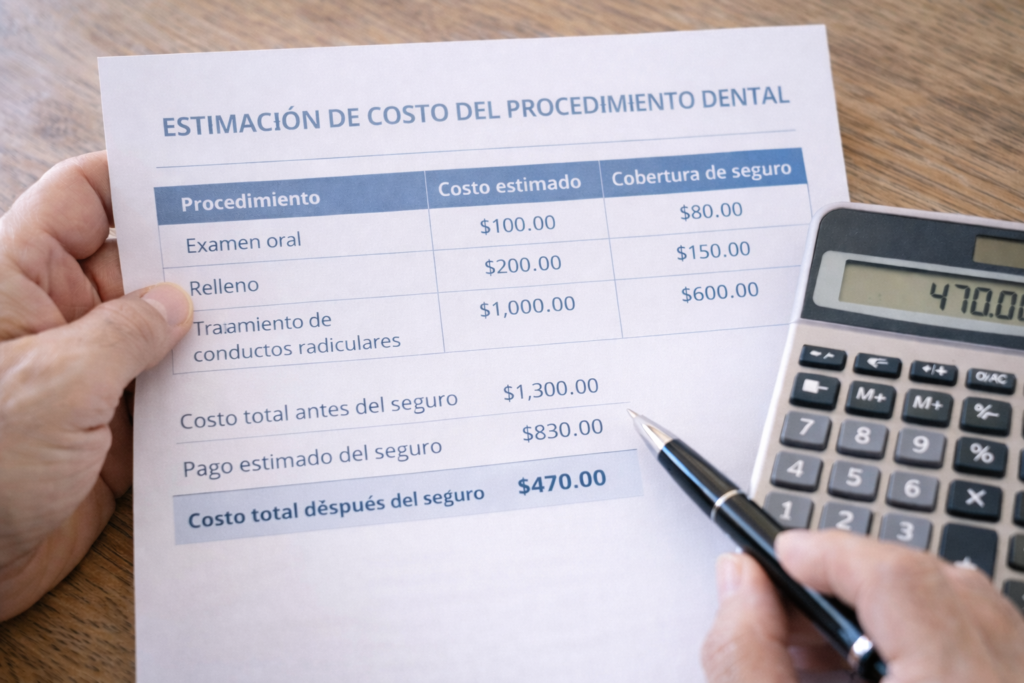
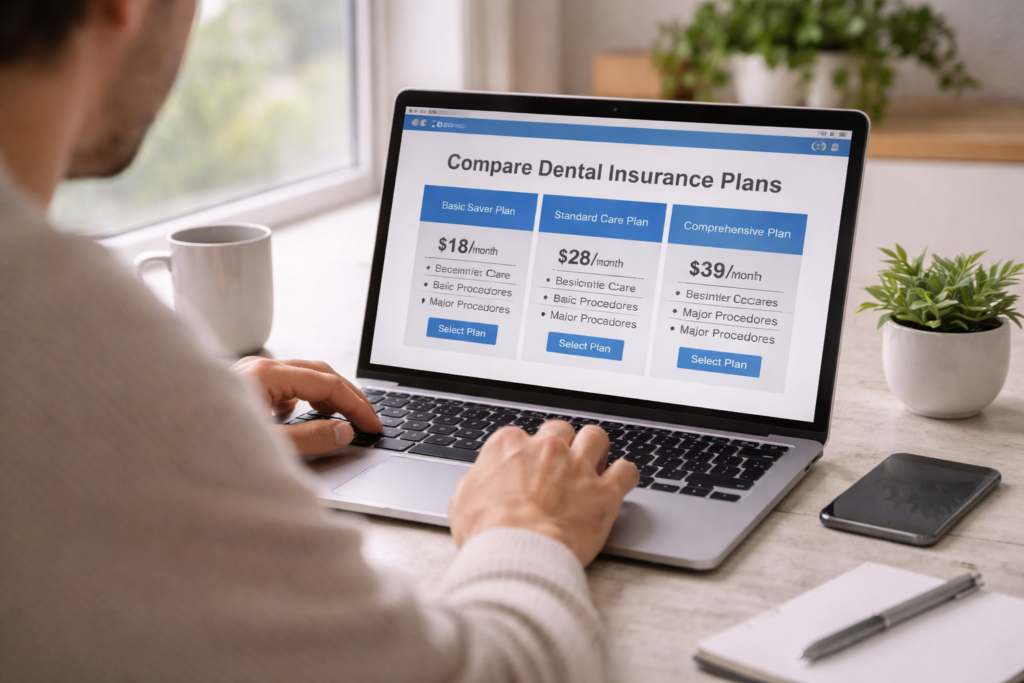
Si necesitas tratamiento dental pronto, esperar meses para que el seguro empiece a cubrir simplemente no es una opción.
Cada vez más personas buscan un seguro dental sin período de espera para evitar costos elevados y obtener atención lo antes posible.
Procedimientos como coronas, endodoncias o extracciones pueden costar miles de dólares — y muchos planes tradicionales te obligan a esperar antes de cubrir estos servicios.
Por eso cada vez más personas están buscando seguros dentales sin período de espera.
La buena noticia: sí existen opciones que te permiten obtener cobertura más rápido o incluso de inmediato.
✔ Comparación rápida ✔ Opciones adaptadas a tu ubicación ✔ Inscripción en minutos
Los tratamientos dentales sin seguro pueden costar cientos o miles de dólares.
¿Qué es un seguro dental sin período de espera?
Un seguro dental sin período de espera es un tipo de plan que te permite acceder a ciertos beneficios inmediatamente después de inscribirte, sin tener que esperar meses para recibir cobertura.
En muchos planes tradicionales, debes esperar entre 6 y 12 meses para procedimientos importantes como coronas o endodoncias. Sin embargo, algunos seguros ofrecen cobertura más rápida — especialmente para servicios preventivos y básicos.
Esto puede ser clave si necesitas tratamiento pronto y no puedes darte el lujo de esperar.
¿Por qué es Tan Importante Evitar el Período de Espera?
El mayor problema no es el seguro… es el tiempo.
Cuando tienes dolor o necesitas tratamiento urgente:
No puedes esperar 6–12 meses
El problema puede empeorar
El costo puede aumentar
Por ejemplo:
Una pequeña caries puede convertirse en una endodoncia
Una infección puede requerir extracción urgente
El dolor puede volverse insoportable
Aquí es donde un plan sin período de espera puede marcar la diferencia.
Mejores Seguros Dentales Sin Período de Espera en 2026
No todos los planes funcionan igual. Estas son las opciones que debes considerar:
1. Planes PPO Dentales (Mejor opción general)
✔ Acceso a una red amplia de dentistas ✔ Algunos ofrecen cobertura inmediata para servicios básicos ✔ Posibilidad de cobertura parcial para procedimientos mayores
Son la mejor combinación entre flexibilidad, cobertura y rapidez
2. Planes de Descuento Dental (Cobertura inmediata)
✔ Sin período de espera ✔ Descuentos desde el primer día ✔ Cuotas mensuales más bajas
Importante: no es seguro tradicional, pero puede ayudarte a ahorrar inmediatamente
Ideal si necesitas tratamiento urgente hoy mismo
3. Planes con Beneficios Graduales
✔ Empiezan con cobertura básica ✔ Aumentan beneficios con el tiempo ✔ Algunos reducen el período de espera
Buena opción si puedes esperar parcialmente pero quieres acceso rápido.
Un solo procedimiento puede costar más que un año completo de seguro.
Por eso, incluso un plan con cobertura parcial puede ayudarte a ahorrar cientos o miles de dólares.
Según la American Dental Association, los costos de tratamientos dentales pueden variar significativamente dependiendo del procedimiento y la ubicación.
¿Qué Cubre un Seguro Dental Sin Período de Espera?
Aquí es donde muchas personas cometen errores.
Un plan “sin período de espera” no significa que todo esté cubierto al 100% desde el día uno.
Generalmente:
✔ Limpiezas y exámenes → inmediatos ✔ Radiografías → inmediatas ✔ Servicios básicos → cobertura rápida ✔ Servicios mayores → cobertura parcial o limitada
La clave es entender qué necesitas y elegir el plan correcto.
Un seguro dental sin período de espera permite acceder a cobertura sin tener que esperar meses para recibir beneficios, lo cual es especialmente importante cuando necesitas atención inmediata.
Comparar diferentes planes te ayuda a encontrar la mejor cobertura sin esperar meses.
If you’re searching for the best dental insurance with no waiting period for seniors, this guide will help you compare plans, costs, and coverage so you can get benefits fast.
If you’re a senior looking for the best dental insurance with no waiting period, one of the biggest frustrations is waiting periods.
Many traditional plans require you to wait 6–12 months before covering major procedures like crowns, dentures, or root canals.
But here’s the good news:
Some dental insurance plans for seniors offer no waiting periods, meaning you can start using benefits almost immediately.
In this guide, we’ll break down:
What no waiting period dental insurance means
The best types of plans available for seniors
What procedures are actually covered
How to choose the right plan based on your needs
If you’re ready to compare plans now, you can check options available in your area here:
This article is for informational purposes only and should not be considered financial, insurance, or medical advice. Benefits, pricing, and coverage vary by plan and location. Always review official plan documents and speak with a licensed professional before enrolling.
Many people are shocked by the root canal cost without insurance, which can quickly become overwhelming.
A root canal can cost hundreds — or even thousands depending on the procedure. If you want a full breakdown, see our detailed guide on root canal cost without insurance.
If you’ve been told you need one, your first question is probably: How am I going to pay for this?
The good news is that you still have options — even if you don’t currently have dental coverage.
In this guide, you’ll learn how to pay for a root canal without insurance, the most affordable options available, and how to reduce your out-of-pocket costs.
If you don’t have insurance, here are some of the most common ways people cover the cost.
Paying for a root canal without insurance can feel overwhelming, but there are several options available.
If you’re trying to figure out how to afford treatment, here are practical ways to lower your costs.
If you’re worried about paying, see this breakdown of options if you can’t afford a root canal — including payment plans, discounts, and insurance strategies.
1. Dental Payment Plans
Many dentists offer in-house payment plans.
This allows you to:
Break the cost into monthly payments
Get treatment immediately
Avoid paying everything upfront
However, terms vary — and some offices may require a deposit.
2. CareCredit or Medical Financing
CareCredit is a healthcare credit card that can be used for dental procedures.
Benefits:
Low or 0% interest promotional periods
Flexible payment options
Be careful:
Interest can be high if not paid on time
3. Dental Discount Plans
Dental discount plans are one of the fastest ways to reduce costs.
Instead of traditional insurance, they:
Provide discounted rates at participating dentists
Can be used almost immediately
Have lower monthly costs
This is often one of the most affordable options for urgent dental care.
4. Dental Schools
Dental schools offer treatment at reduced prices.
Pros:
Significantly lower cost
Cons:
Longer appointment times
Limited availability
5. Paying Cash (Ask for Discounts)
Some dentists offer cash discounts if you pay upfront.
Always ask: “Do you offer a cash price or discount?”
This article is for informational purposes only and does not constitute financial or insurance advice. Coverage, benefits, waiting periods, and pricing vary by provider. Always review official plan documents before enrolling.
This article is for informational purposes only and does not constitute financial or insurance advice. Plan availability, benefits, waiting periods, and pricing may vary by location and provider. Always review official plan documents before enrolling.
If you need procedures like crowns, root canals, dentures, or oral surgery, waiting months for coverage can be frustrating — and expensive.
Many dental plans delay coverage for major services, leaving you stuck paying out of pocket when you need care the most.
Most people only realize their plan has waiting periods after they already need treatment.
The good news is that some plans offer faster access to benefits, helping you reduce costs sooner.
In this guide, you’ll learn how dental insurance that covers major work with no waiting period works, what to expect, and how to compare plans quickly.
Taking time to compare plans can help you save money and avoid delays.
Final Thoughts
Major dental work can be expensive and stressful without coverage.
The right dental insurance that covers major work with no waiting period can help you reduce costs, access treatment faster, and avoid large unexpected bills.
This article is for informational purposes only and does not constitute financial or insurance advice. Plan availability, benefits, waiting periods, and pricing may vary by location and provider. Always review official plan documents before enrolling.
If you want affordable coverage quickly, follow these steps:
Compare plans available in your area
Look for immediate preventive coverage
Review plan details carefully
Enroll online
Most people can find a plan and enroll in just a few minutes online without needing to speak to an agent.
Understanding dental costs upfront can help you choose the right insurance plan.
When a Cheap Plan Makes Sense
Cheap dental insurance with no waiting period may be a good option if:
You’re on a budget
You need basic dental care
You don’t expect major procedures soon
You want immediate access to preventive services
If you’re dealing with high dental costs right now, this guide on can’t afford a root canal shows additional ways people reduce out-of-pocket expenses.
Taking time to compare plans helps you avoid overpaying while still getting the coverage you need.
Final Thoughts
Dental care doesn’t have to be expensive.
The right cheap dental insurance with no waiting period can help you reduce costs, access care quickly, and avoid unexpected bills — without overpaying for coverage you don’t need.
This article is for informational purposes only and does not constitute financial or insurance advice. Plan availability, benefits, waiting periods, and pricing may vary by location and provider. Always review official plan documents before enrolling.
This article is for informational purposes only and does not constitute financial or insurance advice. Plan availability, benefits, waiting periods, and pricing may vary by location and provider. Always review official plan documents before enrolling.
Need dental work now but don’t want to wait months for insurance to kick in?
You’re not alone.
Many dental insurance plans come with 6 to 12 month waiting periods — which means you could still end up paying $500 to $3,000+ out of pocket for procedures like crowns, root canals, or dentures.
And when you’re in pain, waiting isn’t an option.
The good news is:
There are dental insurance plans with no waiting period that let you:
Get coverage immediately or within days
Use preventive benefits right away
Reduce the cost of expensive dental work
Instead of waiting months and risking higher costs, you can compare dental insurance options available in your area and get covered quickly.
These guides will help you understand how different plans work so you can make a more informed decision.
What Is Dental Insurance With No Waiting Period?
Dental insurance with no waiting period is a type of coverage that allows you to start using certain benefits immediately after enrolling, instead of waiting months before your plan becomes usable.
With traditional dental insurance, many services — especially basic and major procedures — come with waiting periods that can range from 3 to 12 months. During that time, even though you’re paying your monthly premium, you may not be able to use your benefits for the care you actually need.
No waiting period plans are different.
They are designed to provide faster access to care, making them a popular option for people who want coverage they can use right away.
Most of these plans include:
Immediate coverage for preventive services like cleanings, exams, and X-rays
Shorter or reduced waiting periods for basic procedures such as fillings
Faster access to care compared to standard dental plans
However, it’s important to understand that “no waiting period” doesn’t always mean everything is covered immediately. In many cases, preventive services are available right away, while more complex procedures may still have limitations or reduced coverage early on.
That’s why comparing plans carefully is important — not all policies are structured the same way.
For many people, the biggest advantage of no waiting period dental insurance is simple: you can actually use your benefits when you need them, instead of paying for coverage you can’t access yet.
When looking at these costs, many people try to get a general sense of what different procedures might cost before choosing a plan.
Professional cleanings help maintain oral healt
What Dental Insurance Typically Covers
Basic procedures address common dental problems.
To choose the right plan, it’s important to understand what dental insurance actually covers — and how those services are grouped.
Most dental insurance plans divide coverage into three main categories:
This is where having immediate access to dental coverage can make a big difference.
Preventive Care (Usually Covered Immediately)
Preventive services are focused on maintaining oral health and catching issues early.
These typically include:
Routine cleanings
Dental exams
X-rays
In most plans — including many with no waiting period — preventive care is covered right away, often at 100%.
This is one of the biggest advantages of enrolling early, even if you don’t have an immediate issue.
Basic Services (May Have Short Waiting Periods)
These include:
Fillings
Simple extractions
Treatment for minor tooth damage
In traditional plans, these often come with a 3–6 month waiting period.
However, some no waiting period plans:
Reduce this delay
Or allow faster access to these services
Coverage is typically around 70%–80%, depending on the plan.
Major Services (Often Have Limitations)
Major procedures are more complex and more expensive.
These include:
Crowns
Root canals
Dentures
Bridges
In most cases, these services:
Have longer waiting periods (6–12 months)
May have reduced first-year coverage
Are subject to annual maximum limits
If you’re dealing with an urgent dental issue, you may also want to read this guide on what to do if you can’t afford a root canal, especially if you need immediate solutions.
Why This Breakdown Matters
Understanding these categories helps you:
Set realistic expectations
Choose a plan based on your needs
Avoid unexpected costs
For example:
If you only need cleanings → preventive coverage may be enough
If you expect fillings → look for plans with reduced waiting periods
If you anticipate major work → compare coverage details carefully
Who Dental Insurance With No Waiting Period Is Best For
Dental insurance with no waiting period isn’t just a general option — it’s especially useful for specific groups of people who need faster access to care.
If you fall into one of the categories below, this type of plan may be a strong fit.
Individuals Without Employer Coverage
If you’re self-employed, freelancing, or simply don’t have access to employer-sponsored dental insurance, finding the right plan on your own is essential.
Dental insurance with no waiting period is ideal for people who want:
Faster access to care
Flexibility
Better control over dental costs
If you need coverage you can actually use right away, this type of plan is worth considering.
Family dental plans may help manage routine dental care costs.
How Much Dental Insurance With No Waiting Period Costs
One of the first questions most people ask is:
“How much is this going to cost me?”
The good news is that dental insurance with no waiting period is often more affordable than people expect — especially when compared to paying out of pocket for dental work.
Typical Monthly Premiums
While prices vary based on location and coverage level, here’s a general range:
Individual: $20–$60 per month
Couple: $40–$90 per month
Family: $80–$150 per month
These costs can vary depending on:
Your ZIP code
Age
Insurance provider
Level of coverage
What You’re Actually Paying For
Your monthly premium helps cover:
Preventive services (often 100%)
A portion of basic procedures
Partial coverage for major work
Access to negotiated network rates
Even if you don’t use major services right away, having coverage can significantly reduce long-term dental costs.
Comparing Cost vs Paying Out of Pocket
Let’s look at a simple example:
Monthly premium: ~$40
Annual cost: ~$480
Now compare that to:
One filling: $150–$400
One crown: $1,000+
In many cases, having coverage pays for itself quickly.
What Affects Pricing the Most
When comparing plans, you’ll notice pricing differences based on:
Coverage level (basic vs comprehensive)
Annual maximum limits
Network size
Immediate benefit options
Plans with no waiting periods may:
Cost slightly more upfront
Provide faster access to care
How to Find the Best Value
The goal isn’t just to find the cheapest plan — it’s to find the best balance between:
Monthly cost
Coverage
Immediate usability
The easiest way to compare real plans and pricing is here:
Dental insurance with no waiting period is often a low monthly investment that can help you avoid much larger expenses later.
The key is choosing a plan that fits both your budget and your needs.
How to Choose the Right Dental Insurance Plan
Not all dental insurance with no waiting period plans are the same — and choosing the right one can make a big difference in both your coverage and your out-of-pocket costs.
Instead of guessing, use a simple approach to narrow down your options.
1. Start With Your Immediate Needs
Ask yourself:
Do I need dental work right away?
Is it preventive, basic, or major work?
If you need care soon, prioritize plans that:
Offer immediate preventive coverage
Reduce or eliminate delays for basic services
2. Set a Realistic Budget
Your monthly premium is important, but it’s only part of the picture.
Also consider:
Coverage percentages (how much the plan pays)
Deductibles (if applicable)
Annual maximum limits
A slightly higher premium may save you more in the long run.
3. Check the Dentist Network
Before choosing a plan:
See if your current dentist is in-network
Or choose a PPO plan for more flexibility
Staying in-network usually means:
Lower costs
Better coverage
4. Understand Coverage Details
Look closely at:
What is covered immediately
What may have limitations
How benefits change over time
This helps you avoid surprises when you actually use your plan.
5. Compare Multiple Plans Side by Side
The best way to find the right plan is to compare options — not just pick the first one you see.
The right plan isn’t just the cheapest — it’s the one that:
Covers what you need
Fits your budget
Lets you use benefits when it matters most
Common Mistakes to Avoid When Choosing Dental Insurance
Choosing the wrong dental insurance plan can lead to unexpected costs, frustration, and delays in care.
Here are some of the most common mistakes people make — and how to avoid them.
Choosing Based on Price Alone
It’s tempting to pick the cheapest plan available, but lower monthly premiums often come with:
Limited coverage
Lower annual maximums
Higher out-of-pocket costs
The goal is not just to save money upfront, but to get real value when you need care.
Assuming “No Waiting Period” Means Everything Is Covered Immediately
This is one of the biggest misunderstandings.
While many plans offer immediate access to preventive services, some procedures may still have:
Coverage limitations
Reduced first-year benefits
Percentage-based coverage
Always review what’s actually included — not just the headline.
Ignoring the Annual Maximum
Most dental insurance plans include a yearly coverage limit.
For example:
$1,000–$2,000 per year is common
Once you reach that limit, you pay out of pocket.
If you expect multiple procedures, this becomes very important.
Not Checking the Dentist Network
Some plans restrict which dentists you can visit.
Before enrolling:
Confirm your dentist is in-network
Or choose a PPO plan for flexibility
This can significantly impact your total costs.
Waiting Too Long to Get Coverage
Many people delay getting dental insurance until they have a problem.
The downside:
Issues may worsen
Costs increase
Treatment becomes more complex
Having coverage in place early helps you stay ahead of problems.
Key Takeaway
Avoiding these common mistakes can help you:
Choose a plan that actually works for you
Reduce unexpected costs
Get the most value from your coverage
Pros and Cons of Dental Insurance With No Waiting Period
Before choosing a plan, it helps to look at both the advantages and potential limitations.
Pros
Immediate access to preventive care You can start using benefits right away for cleanings, exams, and X-rays.
Faster access to treatment Some plans allow quicker coverage for basic procedures like fillings.
Helps reduce out-of-pocket costs Even partial coverage can significantly lower what you pay.
Predictable monthly expenses Instead of large unexpected bills, you pay a set monthly premium.
Peace of mind Knowing you have coverage can make it easier to address issues early.
Cons
Major procedures may still have limitations Coverage for crowns, root canals, or dentures may be reduced initially.
Annual maximums apply Most plans cap how much they pay each year.
Some plans may cost more upfront Faster access to benefits can come with slightly higher premiums.
Key Takeaway
Dental insurance with no waiting period offers strong advantages — especially if you need care soon — but it’s still important to understand the details of your plan.
The goal is to find a balance between:
Immediate access
Affordable cost
Coverage that fits your needs
Dental Insurance With No Waiting Period vs Traditional Plans
If you’re deciding between a no waiting period plan and a traditional dental insurance plan, it helps to understand the key differences.
No Waiting Period Plans
These plans are designed for immediate or faster access to care.
Key benefits:
Preventive services available right away
Faster access to basic procedures
Ideal if you need dental work soon
Helps reduce immediate out-of-pocket costs
Best for:
People with urgent dental needs
Those who want coverage they can use immediately
Individuals looking to avoid delays
Traditional Dental Insurance Plans
Traditional plans often come with longer waiting periods before certain services are covered.
Key characteristics:
Preventive care usually covered immediately
Basic services may require 3–6 months
Major procedures often require 6–12 months
Sometimes lower monthly premiums
Best for:
People planning ahead
Those without immediate dental needs
Individuals focused on long-term coverage
Side-by-Side Comparison
Feature
No Waiting Period Plans
Traditional Plans
Preventive Care
Immediate
Immediate
Basic Services
Faster access
3–6 month wait
Major Services
Limited early coverage
6–12 month wait
Monthly Cost
Slightly higher (sometimes)
Slightly lower (sometimes)
Best For
Immediate needs
Long-term planning
Which One Should You Choose?
If you need dental care soon, a no waiting period plan is usually the better option.
If you’re planning ahead and don’t expect immediate treatment, a traditional plan may work.
Key Takeaway
The right choice depends on your situation — but for most people who want fast, usable coverage, no waiting period plans provide more flexibility and immediate value.
Real-Life Example: Why Timing Matters
Let’s look at a simple scenario.
Imagine you’ve been putting off a dental visit for a while.
At first, it’s just a small issue — maybe a little sensitivity or discomfort. But over time, it gets worse.
Now you finally go to the dentist and find out you need a procedure.
Without Dental Insurance
Here’s what could happen:
Exam + X-rays → $150–$300
Filling → $200–$400
If it worsens → root canal → $1,000–$2,000+
Crown → $1,000–$2,500
Total cost can quickly reach $2,000 or more
And all of it comes out of your pocket.
With a No Waiting Period Plan
Now let’s look at the same situation with coverage:
Preventive care → often covered immediately
Filling → partially covered
Root canal → reduced out-of-pocket cost
Crown → partial coverage depending on the plan
Instead of paying everything upfront, your costs are spread out and reduced.
The Bigger Picture
Delaying care often leads to:
More expensive procedures
More discomfort
More complex treatment
Having a plan you can use right away helps you:
Address issues early
Lower your total costs
Avoid unnecessary stress
Why This Matters
Dental problems don’t wait — and neither should your coverage.
The sooner you have a plan in place, the more control you have over both your health and your finances.
If you want to see what plans are available where you live:
✔ Compare plans in seconds ✔ No phone calls required ✔ Enroll online fast
Key Takeaway
Understanding how these plans work helps you make a better decision — and avoid surprises when you need care.
Compare Dental Plans in Your Area (Fast & Easy)
If you’ve made it this far, you already understand how important it is to have dental coverage you can actually use — especially when you need care soon.
The next step is simple:
Compare the plans available in your area and see what fits your needs.
Instead of guessing or spending hours researching, you can quickly view options based on your location, budget, and coverage preferences.
What You Can Do in Less Than 1 Minute
See real dental plans available near you
Compare coverage and pricing side by side
Find options with no waiting period
Choose a plan that fits your situation
Why This Step Matters
The difference between having the right plan and the wrong one can mean:
✔ Compare plans in seconds ✔ No phone calls required ✔ Enroll online fast
Final Thought
Dental issues don’t wait — and neither should your coverage.
Taking a minute to compare your options now can save you time, money, and stress later.
Disclaimer
This article is for informational purposes only and should not be considered financial, medical, or insurance advice.
Dental insurance plans, coverage details, pricing, and availability may vary by provider and location. Benefits, limitations, waiting periods, and exclusions differ depending on the specific plan you choose.
Before enrolling, it’s important to review the official plan documents and confirm details directly with the insurance provider to ensure the coverage meets your needs.
Family dental insurance with no waiting period may be a good option if:
You want immediate access to care
You have multiple family members needing treatment
You want to avoid large upfront costs
You prefer predictable monthly payments
Common Mistakes Families Make
Many families end up paying more than expected due to these common mistakes:
1. Only focusing on monthly price
Lower premiums don’t always mean better coverage.
2. Ignoring family deductibles
Family plans often have combined limits.
3. Not checking coverage details
Some services may still have waiting periods.
4. Waiting too long to enroll
Delaying coverage can lead to higher out-of-pocket costs.
How Much Does Family Dental Insurance Cost?
The cost of family dental insurance with no waiting period depends on several factors, including location, number of family members, and coverage level.
Typical ranges:
Individual: $20–$50/month
Family: $60–$150/month
While this may seem like an added expense, it can save families hundreds — or even thousands — on dental care over time.
For example, a single cavity filling or emergency visit can cost more than a full year of premiums.
That’s why many families choose dental insurance to make costs more predictable and avoid large unexpected bills.
For many families, one major dental procedure can cost more than an entire year of premiums.
Are There Truly No Waiting Period Plans?
Not all plans eliminate waiting periods entirely, especially for major procedures like crowns or root canals.
However, many family dental insurance plans offer:
Immediate preventive care (cleanings, exams, x-rays)
Reduced or shortened waiting periods for basic services
Flexible options depending on provider and location
This is why comparing plans is so important. Some options allow families to start using key benefits much sooner than expected.
If you’re considering coverage for more serious procedures, it’s also helpful to review options for dental insurance no waiting period for major work to understand what’s available.
Final Thoughts
Dental care costs can add up quickly for families — especially without insurance.
Having the right dental plan in place can help protect your budget and avoid unexpected expenses.
Many families choose no waiting period plans to get coverage in place quickly and avoid delays.
This article is for informational purposes only and does not constitute financial or insurance advice. Plan availability, benefits, waiting periods, and pricing may vary by location and provider. Always review official plan documents before enrolling.
If you’re searching for the best dental insurance with no waiting period, you’re likely trying to avoid delays and start using your benefits right away.
The problem is — not all plans are created equal.
Some offer immediate preventive coverage, while others still delay basic or major services, which can lead to unexpected out-of-pocket costs.
Understanding how these plans work can help you choose the right coverage and avoid paying more than necessary.
See dental plans and prices available in your area:
If you’re shopping for coverage for multiple people, it’s important to choose a plan that balances cost and benefits for everyone in your household. Family dental plans can offer better value compared to individual policies.
Without coverage, even basic procedures can become expensive.
That’s why many people look for dental insurance with no waiting period — to start reducing costs as soon as possible.
At this stage, many people try to understand what different procedures might cost before choosing a plan, especially for things like crowns, root canals, or extractions.
Dental care costs can add up quickly, especially when major procedures are needed.
Without the right coverage, many people end up paying hundreds — or even thousands — out of pocket for treatments that could have been partially covered.
Choosing the right dental insurance plan isn’t just about monthly cost — it’s about reducing long-term expenses, avoiding unexpected bills, and getting access to treatment when you need it.
This article is for informational purposes only and does not constitute financial or insurance advice. Plan availability, benefits, waiting periods, and pricing may vary by location and provider. Always review official plan documents before enrolling.